
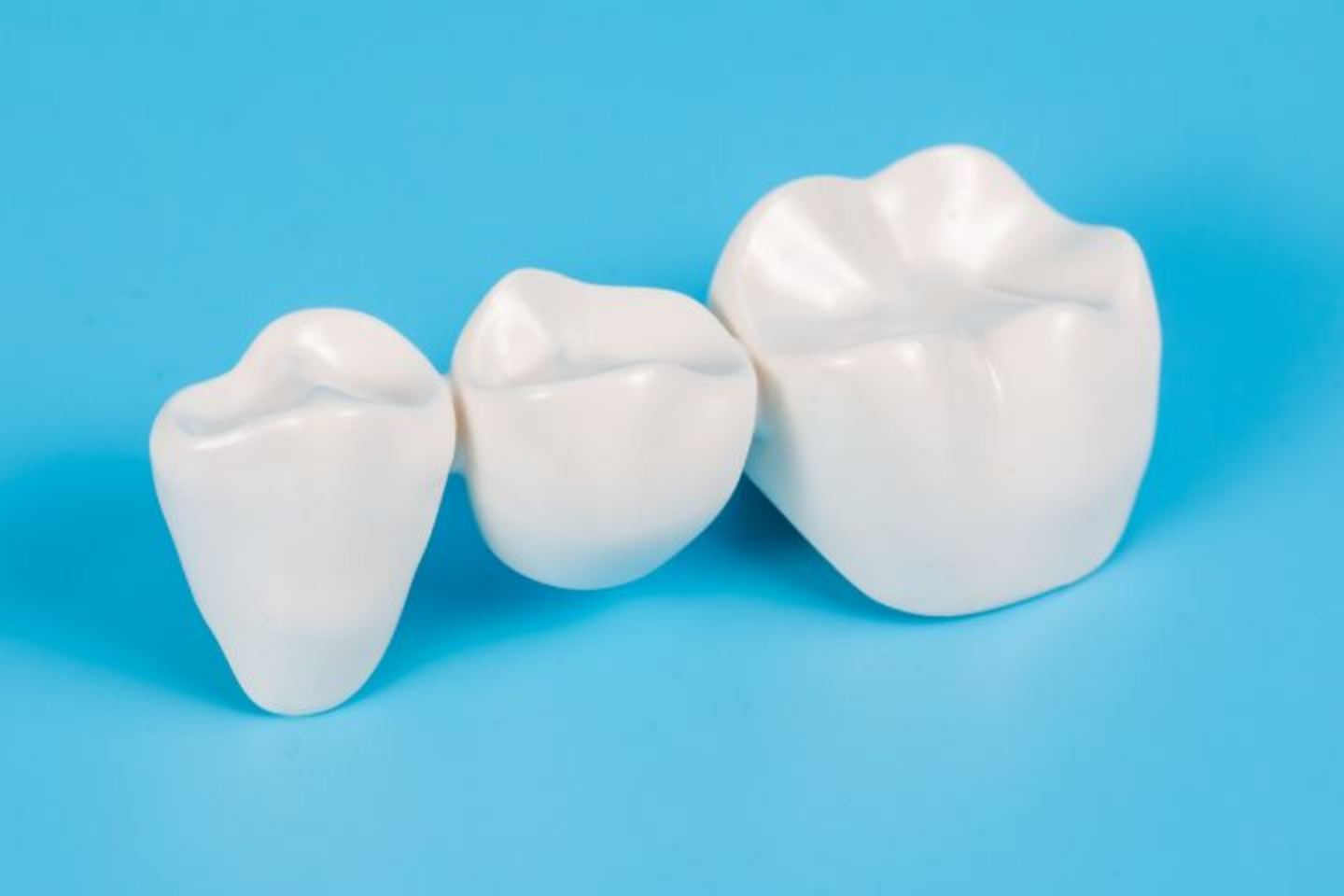
If you have a tooth that is significantly decayed, cracked, or weakened, a standard filling might not be enough to restore its function. In these cases, the team at Great Florida Smiles & Orthodontics often recommends a dental crown. A crown is a custom-fitted cap that covers the entire visible portion of a tooth, effectively acting as a new outer layer of enamel.
Unlike a filling, which sits inside a tooth, a crown provides 360-degree protection. It is designed to withstand the heavy pressure of chewing while looking and feeling exactly like a natural tooth. Understanding when a crown is necessary can help you make informed decisions about your long-term oral health.
Common Reasons You Might Need a Dental Crown
There are several clinical scenarios where a crown is the most effective way to save a tooth and prevent future complications.
1. Protecting a Weakened Tooth
A tooth that has undergone multiple fillings over the years becomes structurally compromised. Eventually, the remaining natural enamel may become too thin to support the biting force. A crown holds the tooth together, preventing it from fracturing under pressure.
2. Restoring a Cracked or Broken Tooth
Accidents or biting down on hard objects can lead to deep cracks or chips. If the damage extends beyond what a composite resin can repair, a crown is used to seal the tooth. This prevents bacteria from entering the inner pulp and restores the tooth to its original shape and size.
3. Following a Root Canal
After a root canal procedure, the tooth is no longer "alive" because the nerve and blood supply have been removed. This often causes the tooth to become brittle and prone to shattering. Placing a crown after a root canal is a standard step to ensure the tooth remains functional for years to come.
4. Supporting a Dental Bridge
If you are missing a tooth and opting for a bridge, the healthy teeth on either side of the gap must be fitted with crowns. These crowns serve as the anchors that hold the prosthetic tooth, or pontic, securely in place.
5. Cosmetic Enhancements
In some cases, crowns are used for purely aesthetic reasons. If a tooth is severely discolored and does not respond to whitening, or if a tooth is misshapen, a porcelain crown can create a uniform, bright appearance that blends perfectly with the rest of your smile.
The Different Materials Used for Crowns
At Great Florida Smiles & Orthodontics, crowns are tailored to your specific needs. The material chosen often depends on where the tooth is located in your mouth and your personal preferences.
- Porcelain or Ceramic: These are the most popular choices for front teeth because they can be color-matched to your natural enamel. They are highly aesthetic and metal-free.
- Porcelain-Fused-to-Metal (PFM): These crowns offer a balance of strength and aesthetics. The metal substructure provides durability, while the porcelain exterior maintains a natural look.
- Gold and Metal Alloys: While less common for visible teeth, gold crowns are incredibly durable and require the least amount of natural tooth removal. They are often recommended for back molars where chewing forces are highest.
- Zirconia: This is a newer, high-strength ceramic material that is becoming a gold standard. It is virtually indestructible and provides a very natural appearance.
What to Expect During the Procedure?
Getting a dental crown typically requires two visits to the office, though the process is straightforward and comfortable.
The First Visit: Preparation
During your first appointment, the tooth is shaped to allow room for the crown to fit over it. Impressions are then taken of your teeth, which are sent to a professional dental laboratory where your custom restoration is crafted. A temporary crown is placed to protect your tooth in the meantime.
The Second Visit: Placement
Once your permanent crown is ready, you will return to Great Florida Smiles & Orthodontics. The temporary is removed, and the new crown is checked for fit, bite alignment, and color. Once everything is perfect, it is permanently bonded to your tooth.
Signs You Might Have a Tooth That Needs a Crown
If you notice any of the following symptoms, it is worth scheduling an exam to see if a crown is necessary:
- Pain when chewing or biting down.
- A visible crack or large chip in a tooth.
- A very large, old filling that feels loose or is starting to crumble.
- Persistent sensitivity to hot or cold in a tooth with a large restoration.
- A dark, graying appearance in a tooth that has previously had a root canal.
Frequently Asked Questions
Q: How long does a dental crown last?
A: On average, a dental crown lasts between 10 and 15 years. However, with excellent oral hygiene and regular professional cleanings, many crowns can last significantly longer.
Q: Is the procedure painful?
A: The area is thoroughly numbed with local anesthesia before any work begins, so you should not feel pain during the preparation. Some patients experience mild sensitivity for a few days after the permanent crown is placed, but this is temporary.
Q: How do I care for my dental crown?
A: You should treat your crown just like a natural tooth. Brush twice a day, floss daily, and avoid biting down on extremely hard items like ice or hard candy. Regular checkups are essential so your dentist can monitor the margins of the crown.
Q: Can a crown get a cavity?
A: While the crown itself cannot decay, the natural tooth underneath it still can. This usually happens at the "margin," where the crown meets the gum line. This is why keeping the area clean is so important.
Visit Great Florida Smiles & Orthodontics
A damaged tooth does not have to mean the end of your smile. With a custom dental crown, you can regain the ability to eat, speak, and smile with total confidence. At Great Florida Smiles & Orthodontics, we use the latest technology and high-quality materials to ensure your restoration is both beautiful and built to last.
If you think you might need a crown or have an old restoration that feels uncomfortable, contact us today to schedule a consultation. We are dedicated to providing the residents of Florida with expert care in a welcoming environment.
