
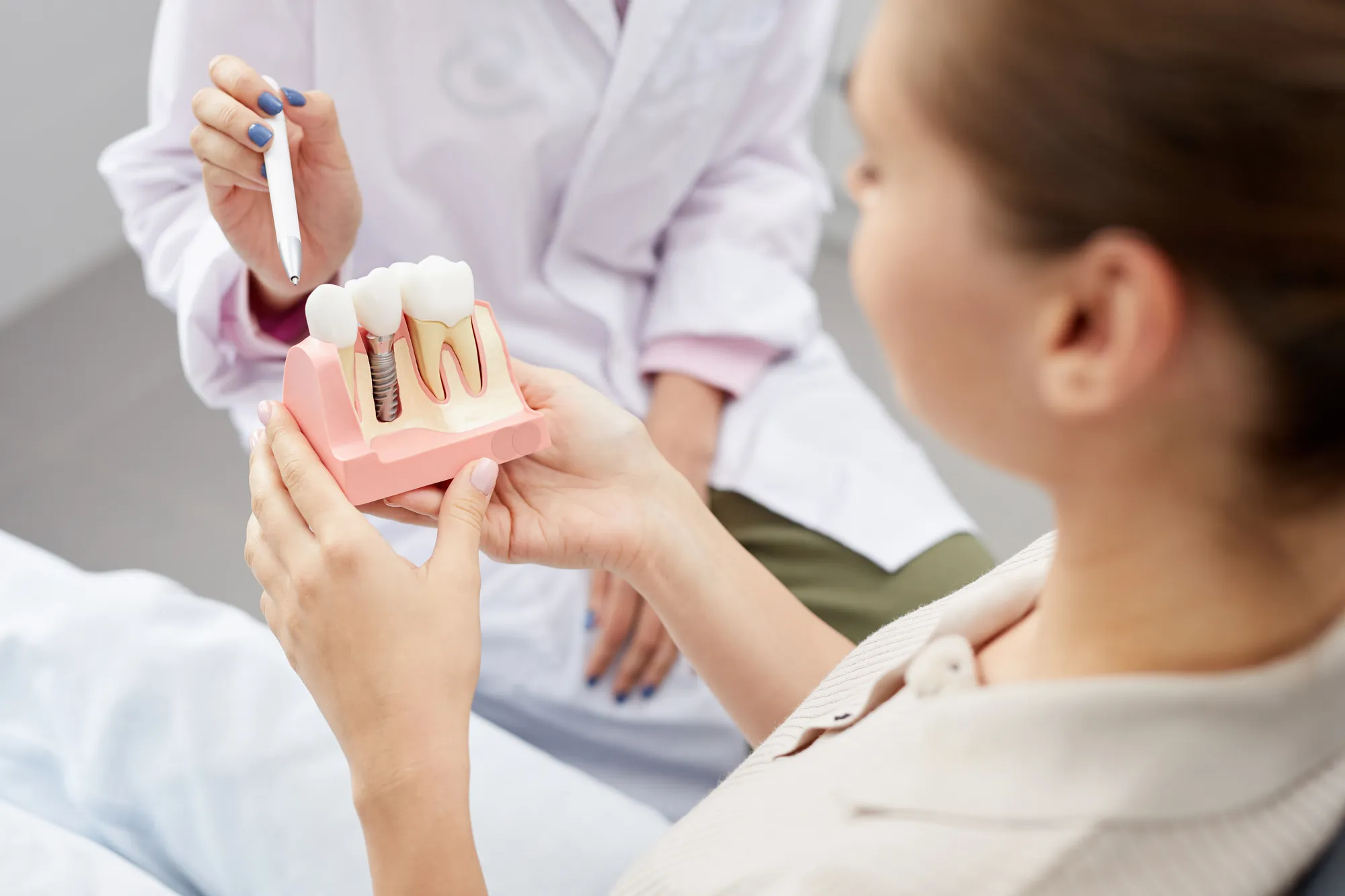
Dental implants are one of the most reliable and long-lasting solutions for replacing missing teeth. They restore your ability to chew comfortably, improve your smile, and help preserve the jawbone. However, the success of a dental implant does not depend on the procedure alone. The way you care for your implant during the healing process and beyond plays an important role in achieving lasting results.
At Great Florida Smiles & Orthodontics, serving patients at our DeFuniak Springs, Panama City Beach, and Santa Rosa Beach locations, we educate patients on proper implant aftercare so they can enjoy the benefits of their new smile for years to come. Knowing which mistakes to avoid can make a significant difference in your recovery and long-term oral health.
Why Implant Aftercare Matters
A dental implant needs time to fuse with the surrounding jawbone through a natural process called osseointegration. During this healing period, the implant gradually becomes stable enough to support a custom dental crown, bridge, or implant-supported denture.
Following your dentist's instructions helps reduce the risk of complications and encourages successful healing. Ignoring aftercare recommendations may increase the likelihood of infection, delayed healing, or implant failure.
Mistake 1: Skipping Oral Hygiene
Some patients worry that brushing or cleaning around the implant will damage it. In reality, neglecting oral hygiene is one of the most common causes of implant-related problems.
Plaque and bacteria can accumulate around the implant, leading to inflammation of the surrounding gums. If left untreated, this may develop into peri-implant disease, which can affect the bone supporting the implant and require targeted periodontal treatment.
To keep your implant healthy:
- Brush twice daily using a soft-bristled toothbrush
- Floss around the implant every day
- Use any cleaning aids recommended by your dentist
- Keep all scheduled professional cleanings
Good oral hygiene protects both your implant and your natural teeth.
Mistake 2: Smoking During the Healing Period
Smoking can interfere with the body's natural healing process by reducing blood flow to the gums and bone.
Patients who smoke may have a higher risk of:
- Delayed healing
- Infection
- Implant complications
- Gum problems around the implant
If you smoke, your dentist may recommend quitting or avoiding tobacco products before and after implant placement or related procedures, such as oral surgery, to improve healing.
Mistake 3: Eating Hard Foods Too Soon
After implant surgery, the surrounding tissues need time to recover. Crunchy, sticky, or very hard foods can place unnecessary pressure on the surgical site during the early healing stages.
Until your dentist advises otherwise, choose softer foods such as:
- Yogurt
- Mashed potatoes
- Scrambled eggs
- Smoothies
- Soft pasta
- Soup
Gradually return to your regular diet according to your dentist's recommendations.
Mistake 4: Ignoring Post-Operative Instructions
Every patient receives personalized instructions after dental implant surgery.
These recommendations may include:
- Taking prescribed medications
- Applying ice packs to reduce swelling
- Avoiding strenuous activity for a short period
- Following dietary guidelines
- Keeping the surgical area clean
Ignoring these instructions can slow healing and increase the risk of complications.
Mistake 5: Missing Follow-Up Appointments
Dental implant treatment does not end after surgery. Follow-up appointments allow your dentist to:
- Monitor healing
- Evaluate implant stability
- Detect any concerns early
- Determine when the restoration can be placed
Even if you feel fine, attending these visits is an important part of successful restorative dentistry.
Mistake 6: Grinding or Clenching Your Teeth
Many people grind or clench their teeth without realizing it, especially while sleeping. Excessive biting forces may place unnecessary stress on a healing implant and, over time, can affect both implants and natural teeth.
If you have a history of teeth grinding (bruxism), your dentist may recommend wearing a custom mouthguard or nightguard to protect your smile and preserve your restorations.
Mistake 7: Assuming Implants Cannot Develop Problems
Dental implants cannot develop cavities, but the surrounding gums and bone still require ongoing care. Without proper maintenance, bacteria can cause inflammation around the implant, potentially leading to peri-implant mucositis or peri-implantitis.
Routine dental visits help identify these conditions early before they become more serious.
Mistake 8: Delaying Treatment for Unusual Symptoms
Some discomfort is normal immediately after implant placement, but certain symptoms should not be ignored.
Contact your dentist if you notice:
- Persistent or worsening pain
- Increasing swelling after several days
- Bleeding that does not improve
- Pus around the implant
- A loose implant or restoration
- Difficulty chewing after healing
Prompt evaluation allows your dentist to address problems before they progress.
Mistake 9: Skipping Routine Dental Checkups
Even after your implant has fully healed, regular dental visits remain essential.
During routine preventive dentistry checkups, your dentist will:
- Evaluate the implant
- Check gum health
- Remove hardened plaque deposits
- Assess your bite
- Monitor surrounding bone and tissues
Professional care helps maintain the health and longevity of your implant.
Mistake 10: Believing Dental Implants Last Forever Without Care
Dental implants are designed to provide long-term function, but they are not maintenance-free.
Their longevity depends on factors such as:
- Daily oral hygiene
- Regular dental visits
- Healthy lifestyle habits
- Avoiding tobacco
- Managing teeth grinding if present
With consistent care, many dental implants continue functioning successfully for many years.
How to Protect Your Dental Implant
You can support long-term implant success by following these healthy habits:
- Brush twice daily
- Floss every day
- Eat a balanced diet
- Avoid smoking
- Attend regular dental checkups
- Wear a nightguard if recommended
- Contact your dentist if anything feels unusual
Simple preventive habits can help preserve your investment in your smile.
Frequently Asked Questions
Q: How long does it take for dental implants to heal?
A: Healing varies by patient, but the implant typically takes several months to fully integrate with the jawbone before the final restoration is completed.
Q: Can I brush around my implant after surgery?
A: Yes, but follow your dentist's instructions regarding when and how to clean the area safely during healing.
Q: What foods should I avoid after implant surgery?
A: Hard, crunchy, sticky, and chewy foods should generally be avoided during the initial healing period until your dentist advises otherwise.
Q: Can dental implants fail?
A: While dental implants have high success rates, complications can occur if proper oral hygiene, follow-up care, or healthy habits are not maintained.
Q: How often should I have my dental implant checked?
A: Most patients benefit from routine dental exams and cleanings every six months, although your dentist may recommend a different schedule based on your oral health.
Protect Your Investment with Proper Implant Care
At Great Florida Smiles & Orthodontics, we are committed to helping patients enjoy the long-term benefits of dental implants through personalized care and education. Following your aftercare instructions, maintaining excellent oral hygiene, and attending regular dental visits are key steps in protecting your implant and supporting a healthy smile.
Whether you visit our offices in DeFuniak Springs, Panama City Beach, or Santa Rosa Beach, our experienced team is here to guide you through every stage of your dental implant journey. Contact Great Florida Smiles & Orthodontics today to schedule your next appointment and keep your smile healthy, functional, and confident for years to come.
