
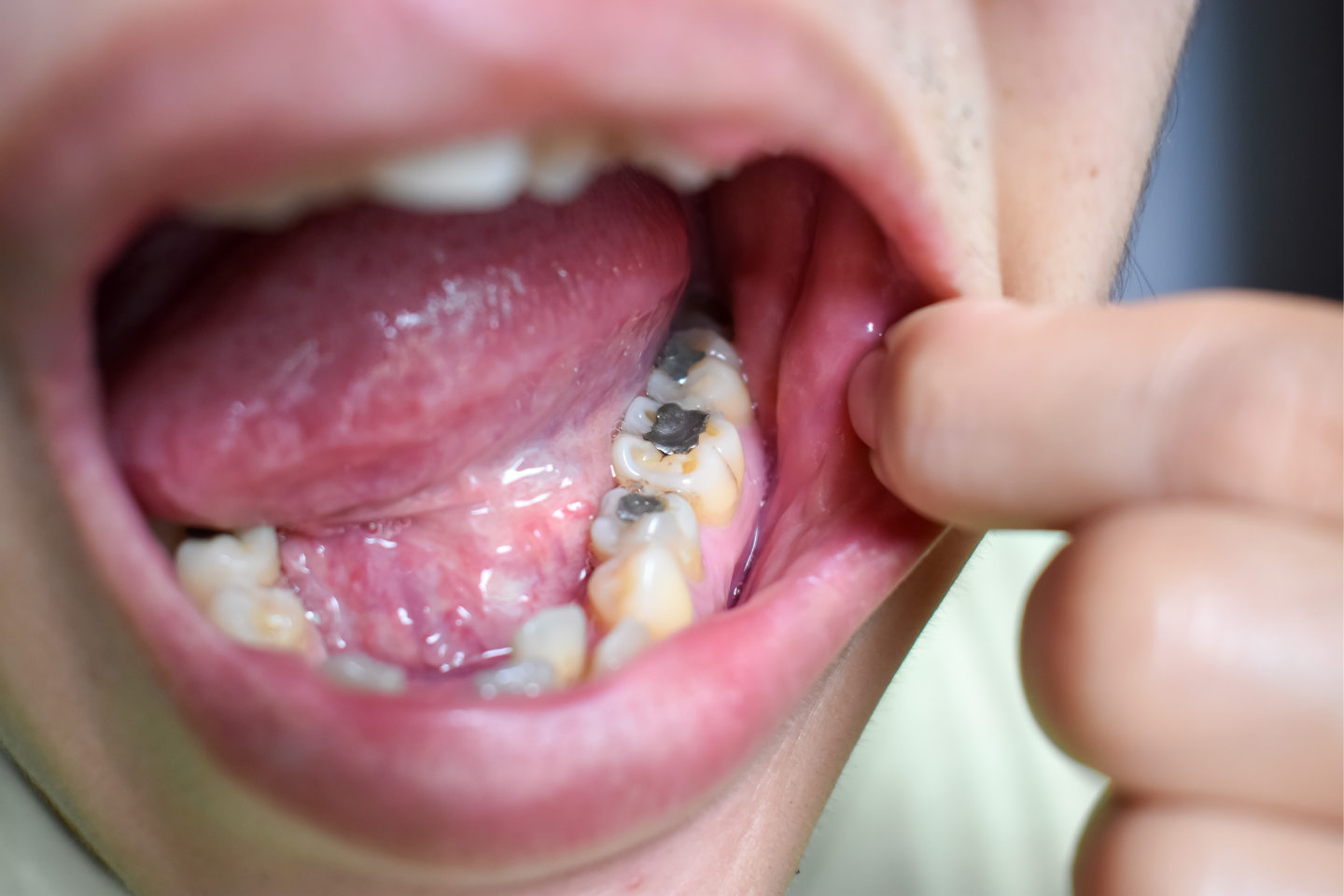
Many adults still have silver-colored dental fillings that were placed years or even decades ago. These fillings, known as dental amalgam fillings, have been widely used for over a century because of their durability and strength. However, as dental technology has evolved, many patients are now asking whether they should replace their old amalgam fillings and whether the removal process is safe.
One term that often comes up during these discussions is SMART removal. If you have been researching options for replacing old silver fillings, understanding what SMART removal is and how it works can help you make an informed decision.
At Great Florida Smiles & Orthodontics, serving patients in DeFuniak Springs, Panama City Beach, and Santa Rosa Beach, we believe patients should have accurate information about all available treatment options before making decisions about their oral health.
What Are Mercury Amalgam Fillings?
Dental amalgam fillings are commonly referred to as silver fillings because of their metallic appearance. These fillings are made from a mixture of metals that typically includes:
- Silver
- Tin
- Copper
- Mercury
Mercury is used to bind the other metals together, creating a strong and durable filling material. For many years, amalgam fillings were considered the standard treatment for cavities, particularly in back teeth where chewing forces are greatest.
Are Amalgam Fillings Safe?
According to major health organizations, including the U.S. Food and Drug Administration (FDA) and the American Dental Association (ADA), dental amalgam fillings are generally considered safe for most people.
Research has shown that amalgam fillings release small amounts of mercury vapor over time, particularly during chewing. However, for most healthy individuals, these levels are considered low and are not believed to cause health problems.
That said, some patients choose to replace their amalgam fillings for personal, cosmetic, or preventive reasons. Common reasons include:
- Improving the appearance of their smile
- Replacing old or worn fillings
- Addressing cracked or leaking restorations
- A personal preference for metal-free dental materials
- Concerns about mercury exposure
Should Healthy Amalgam Fillings Be Removed?
This is one of the most important questions patients ask. If an amalgam filling is functioning well, shows no signs of decay, cracking, or failure, removal may not be medically necessary. In fact, removing a healthy filling can sometimes result in the loss of additional healthy tooth structure.
For this reason, dentists typically evaluate factors such as:
- Age of the filling
- Signs of wear
- Presence of decay around the filling
- Cracks in the tooth
- Cosmetic concerns
- Patient preferences
A thorough dental examination is the best way to determine whether replacement is appropriate.
Why Is Safe Removal Important?
When an amalgam filling is removed, the process can temporarily release more mercury vapor and particles than would normally occur while the filling remains intact. Because of this, certain precautions can be taken to reduce exposure during the removal process. This is where SMART removal comes into the conversation.
What Is SMART Removal?
SMART stands for Safe Mercury Amalgam Removal Technique. It is a set of protocols developed by the International Academy of Oral Medicine and Toxicology (IAOMT) to help minimize exposure to mercury vapor and particles during amalgam filling removal.
SMART is not a separate dental procedure. Instead, it refers to a collection of safety measures that may be used when removing amalgam fillings. These protocols are designed to reduce exposure for both patients and dental team members.
What Happens During SMART Removal?
While individual practices may vary, SMART protocols often include several protective measures:
- Isolation of the Treatment Area: A dental dam may be placed around the tooth to help isolate the treatment area and reduce the chance of particles entering the mouth.
- High-Volume Suction: Specialized suction systems are commonly used to capture mercury vapor and debris during removal, helping to reduce airborne particles within the treatment area.
- Water Cooling: Dentists often use copious water irrigation while removing amalgam fillings. The water helps minimize heat generation, which can significantly reduce mercury vapor release.
- Sectioning the Filling: Instead of grinding away the entire filling, the dentist may divide it into larger pieces and remove those sections. This approach can reduce the amount of drilling required.
- Air Filtration Systems: Some offices use advanced filtration systems to help improve air quality during treatment.
- Protective Equipment: Patients and dental team members may wear protective coverings and equipment as part of the safety protocol.
What Replaces an Amalgam Filling?
After removal, the filling is typically replaced with a modern restorative material. Common options include:
1. Composite Resin Fillings
Tooth-colored composite fillings are among the most popular choices. Benefits include a natural appearance, bonding directly to the tooth, conservative tooth preparation, and a completely mercury-free composition.
2. Ceramic Restorations
Porcelain or ceramic inlays, onlays, and crowns may be recommended when larger restorations are needed. These materials provide excellent aesthetics and long-term durability.
3. Other Metal-Free Materials
Depending on the clinical situation, additional restorative options may be available. Your dentist can help determine which material is most appropriate for your specific needs.
What Does Recovery Feel Like?
Most patients recover from amalgam replacement similarly to any routine filling procedure. You may experience mild sensitivity, temporary tenderness, or slight bite adjustment sensations. These symptoms typically improve within a few days, and most patients return to normal activities immediately following treatment.
Who Might Consider SMART Removal?
Patients may discuss SMART removal with their dentist if they:
- Have aging, cracked, or failing silver fillings
- Prefer tooth-colored restorations
- Want metal-free dental materials
- Need replacement due to recurrent decay
The decision should always be based on an individual clinical evaluation rather than broad assumptions about all amalgam fillings.
Questions to Ask Your Dentist
If you are considering replacing old silver fillings, it may be helpful to ask:
- Is my filling showing signs of failure or wear?
- Is replacement necessary at this time?
- What restorative materials are available for my specific case?
- What safety measures will be used during the removal process?
Personalized Dental Care at Great Florida Smiles & Orthodontics
At Great Florida Smiles & Orthodontics, we help patients understand their treatment options and make informed decisions about their oral health. Whether you visit our offices in DeFuniak Springs, Panama City Beach, or Santa Rosa Beach, our team is committed to providing patient-centered care tailored to your needs.
If you have questions about old amalgam fillings, SMART removal, or modern tooth-colored restoration options, schedule a consultation with our team. Together, we can evaluate your smile and determine the most appropriate treatment plan for your long-term dental health.
Frequently Asked Questions
Q: Are mercury amalgam fillings dangerous?
A: Major dental and health organizations generally consider dental amalgam fillings safe for most people. However, individual concerns and clinical situations vary.
Q: What does SMART stand for?
A: SMART stands for Safe Mercury Amalgam Removal Technique, a set of protocols designed to minimize mercury exposure during filling removal.
Q: Should all silver fillings be removed?
A: Not necessarily. If an amalgam filling is functioning properly and shows no signs of failure, removal may not be required.
Q: What can replace an amalgam filling?
A: Common replacements include tooth-colored composite fillings, ceramic restorations, and other mercury-free materials.
Q: Is SMART removal painful?
A: The procedure is typically performed under local anesthesia, making it similar in comfort to other routine restorative dental treatments.
