
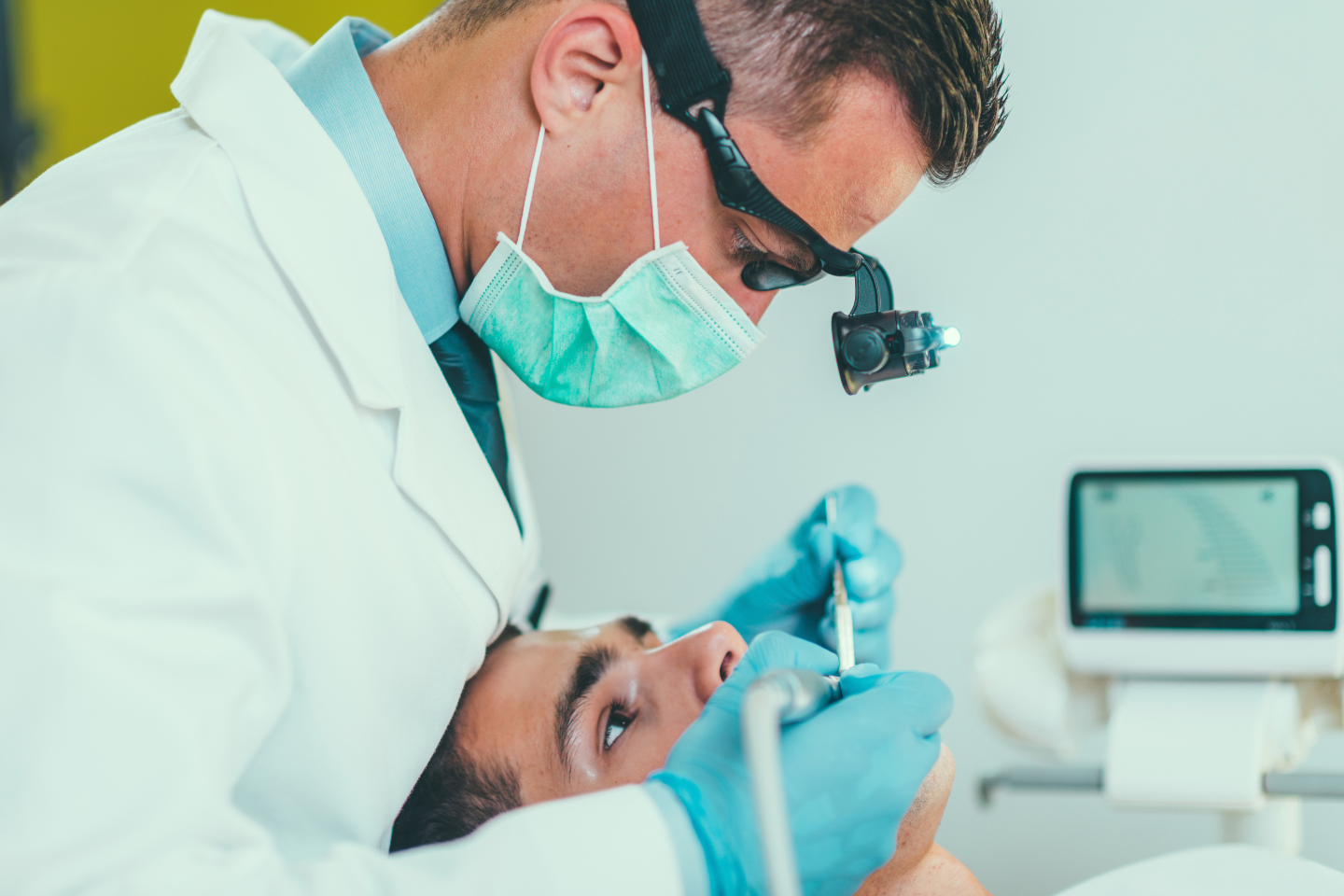
Tooth pain can be confusing. Sometimes it is mild and temporary, but in other cases it signals a deeper problem inside the tooth. A root canal treatment is recommended when the inner pulp of the tooth becomes infected or inflamed. At Great Florida Smiles & Orthodontics, early diagnosis helps save your natural tooth and prevent more serious complications.
Knowing the warning signs can help you seek treatment at the right time.
What Is a Root Canal Treatment?
A root canal is a procedure used to remove infected or damaged pulp from inside the tooth. The space is then cleaned, disinfected, and sealed to prevent further infection. This treatment allows you to keep your natural tooth instead of having it extracted.
Common Signs You May Need a Root Canal
Persistent tooth pain: If you have ongoing pain that does not go away, especially when chewing or applying pressure, it may indicate infection inside the tooth.
Sensitivity to hot or cold: Lingering sensitivity after consuming hot coffee or cold drinks can be a sign that the nerve inside the tooth is affected.
Swollen or tender gums: Inflammation around a specific tooth, sometimes accompanied by a small bump on the gums, may point to an underlying infection.
Tooth discoloration: A tooth that becomes darker over time may have damaged internal tissue.
Pain when biting or chewing: Discomfort while eating can indicate that the infection has reached deeper layers of the tooth.
A chipped or cracked tooth: Damage to the tooth can allow bacteria to enter and infect the pulp.
Pimple on the gums: A small, recurring bump near the tooth may release pus and is often a sign of an abscess.
What Happens If You Delay Treatment?
Ignoring these symptoms can allow the infection to spread. This may lead to severe pain, abscess formation, bone loss, or even the need for tooth extraction. Early treatment is always simpler and more effective.
What to Expect During a Root Canal?
- The procedure is designed to be comfortable and efficient.
- The area is numbed using local anesthesia so you do not feel pain.
- The dentist creates a small opening in the tooth to access the infected pulp.
- The infected tissue is removed, and the inside of the tooth is cleaned and disinfected.
- The space is filled and sealed to prevent reinfection.
In many cases, a crown is placed afterward to restore strength and function.
Is a Root Canal Painful?
Modern root canal treatment is no more uncomfortable than getting a filling. The procedure relieves pain rather than causing it. Most patients feel significant relief once the infection is treated.
How to Prevent the Need for a Root Canal?
- Good oral hygiene and regular dental visits can reduce your risk.
- Brush twice daily with fluoride toothpaste.
- Floss every day to remove plaque between teeth.
- Avoid excessive sugary foods and drinks.
- Wear a mouthguard if you play sports or grind your teeth.
- Visit your dentist regularly for checkups and cleanings.
When to See Your Dentist?
If you experience persistent pain, swelling, or unusual sensitivity, do not wait. Early evaluation can determine whether a root canal is needed and help prevent further damage.
Expert Care at Great Florida Smiles & Orthodontics
At Great Florida Smiles & Orthodontics, we provide gentle and precise root canal treatments using advanced techniques. Our goal is to relieve your discomfort while preserving your natural smile.
If you are experiencing tooth pain or notice any warning signs, schedule an evaluation today. Early care can make all the difference in protecting your oral health.
Frequently Asked Questions
Q: Can a tooth heal without a root canal?
A: Once the pulp is infected, it cannot heal on its own. Treatment is needed to remove the infection.
Q: How long does a root canal take?
A: Most procedures are completed in one or two visits, depending on the complexity.
Q: Will I need a crown after a root canal?
A: In many cases, especially for back teeth, a crown is recommended to protect the tooth.
Q: Is extraction better than a root canal?
A: Saving your natural tooth is usually the best option. A root canal helps maintain normal function and alignment.
