
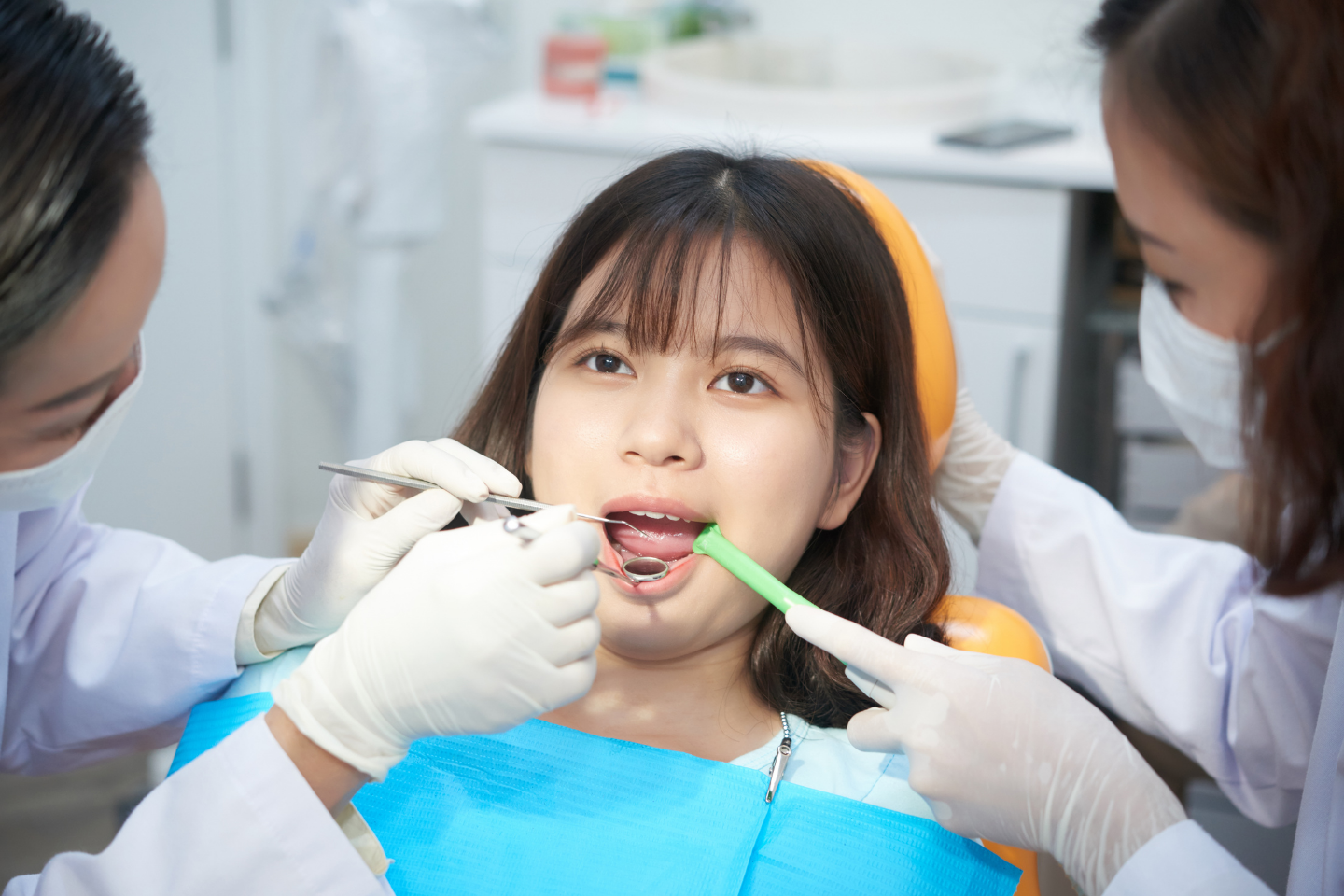
If you have recently heard your dentist mention ozone therapy, you may be wondering what it is and whether it is safe. Ozone therapy is becoming an increasingly discussed topic in modern dentistry because it offers a minimally invasive way to help manage certain dental conditions. While it is not a replacement for traditional dental treatments, it can be used as an additional tool to support oral health in specific situations.
At Great Florida Smiles & Orthodontics, serving patients in DeFuniak Springs, Panama City Beach, and Santa Rosa Beach, we believe that informed patients make confident decisions about their dental care. Understanding how ozone therapy works can help you determine whether it may be appropriate for your dental needs.
What Is Ozone Therapy?
Ozone is a naturally occurring gas made up of three oxygen atoms. In dentistry, specially generated medical-grade ozone is used for its antimicrobial properties. It can be applied in the form of gas, ozonated water, or ozonated oils depending on the treatment being performed.
The primary goal of ozone therapy is to reduce harmful bacteria, viruses, and fungi in the mouth while supporting the body's natural healing processes. Because ozone can target microorganisms, it has been explored as a complementary treatment in various dental procedures.
How Does Ozone Therapy Work?
Ozone works by disrupting the cell walls of bacteria and other harmful microorganisms. This action can help reduce bacterial levels in targeted areas of the mouth.
When administered by a trained dental professional using approved equipment, ozone therapy is carefully controlled and directed to specific treatment areas. The treatment is generally quick and may be used alongside conventional dental care rather than as a standalone solution.
Common Uses of Ozone Therapy in Dentistry
Ozone therapy may be incorporated into several dental treatments depending on the patient's condition and the dentist's clinical judgment.
- Managing Early Tooth Decay: One of the most discussed applications of ozone therapy is its use in managing early-stage tooth decay. When decay is detected in its earliest stages, ozone may help reduce bacterial activity within the affected area. However, advanced cavities that have already caused significant structural damage typically still require restorative treatments such as fillings.
- Supporting Gum Health: Periodontal disease is caused by bacterial infections affecting the gums and supporting structures of the teeth. Ozone therapy may be used as part of a comprehensive periodontal treatment plan to help reduce bacteria in periodontal pockets and support healing after deep cleaning procedures.
- Root Canal Procedures: Root canal treatment focuses on removing infected tissue and disinfecting the inside of the tooth. Some dental professionals use ozone as an additional disinfecting step to help reduce bacterial contamination within the root canal system.
- Treatment of Oral Ulcers and Soft Tissue Conditions: Ozone may be used to support the healing of certain soft tissue conditions, including minor mouth sores and oral ulcers. Some patients report improved comfort and healing when ozone is incorporated into their treatment plan.
- Post-Surgical Healing: Following certain dental procedures, ozone therapy may be used to help support tissue healing and reduce microbial activity in the treatment area. This application is commonly explored after extractions and certain periodontal procedures.
Is Ozone Therapy Safe?
One of the most common questions patients ask is whether ozone therapy is safe.
When administered properly by trained dental professionals using approved dental ozone systems, ozone therapy is generally considered safe. Dental devices are specifically designed to control ozone delivery and prevent unnecessary exposure.
Safety protocols are essential because inhaling ozone gas directly can irritate the respiratory system. This is why dental professionals use specialized equipment that safely contains and removes excess ozone during treatment. Patients should only receive ozone therapy from qualified dental providers who have appropriate training and equipment.
What Are the Potential Benefits of Ozone Therapy?
Research into ozone therapy continues, but several potential benefits have been identified:
- Minimally Invasive Approach: Ozone therapy may allow dentists to address certain issues with less intervention in selected cases.
- Antimicrobial Properties: Ozone has been shown to reduce bacteria, viruses, and fungi in targeted treatment areas.
- Support for Healing: Some studies suggest ozone may help support tissue healing and improve local oxygen availability in treated areas.
- Patient Comfort: Many ozone applications are quick and comfortable, making them appealing for patients seeking minimally invasive treatment options.
Are There Any Limitations?
While ozone therapy offers potential advantages, it is important to understand its limitations. Ozone therapy is not a cure-all solution and cannot replace necessary restorative procedures when structural damage has already occurred.
For example:
- Large cavities still require fillings or crowns.
- Advanced gum disease often requires comprehensive periodontal treatment.
- Severe infections may require conventional dental procedures and medications.
The best treatment approach depends on a thorough examination and diagnosis by your dentist.
What Does Ozone Therapy Feel Like?
Many patients are surprised by how simple the treatment can be. In most cases, ozone application is painless. Depending on the method used, you may simply sit comfortably while the ozone is applied to the treatment area for a short period.
There is typically no drilling, injections, or discomfort associated with the ozone application itself. Your dentist will explain the process and answer any questions before treatment begins.
Who May Be a Candidate for Ozone Therapy?
Ozone therapy may be considered for patients experiencing:
- Early tooth decay
- Gum disease
- Certain oral infections
- Root canal treatment needs
- Oral ulcers
- Healing support after dental procedures
However, not every patient or condition is suitable for ozone therapy. A comprehensive dental evaluation is necessary to determine whether it may be beneficial as part of your treatment plan.
Why Regular Dental Visits Still Matter
While innovative technologies like ozone therapy can support dental care, routine dental visits remain the foundation of good oral health. Regular exams allow your dentist to identify problems early, recommend appropriate treatments, and help prevent more extensive dental issues in the future.
Maintaining daily brushing, flossing, and professional cleanings continues to be the most effective strategy for protecting your smile.
Modern Dental Care at Great Florida Smiles & Orthodontics
At Great Florida Smiles & Orthodontics, we are committed to helping patients understand the latest advancements in dental care. Whether you visit our offices in DeFuniak Springs, Panama City Beach, or Santa Rosa Beach, our team focuses on evidence-based treatments designed to support long-term oral health.
If you would like to learn more about ozone therapy or discuss treatment options for your smile, schedule a consultation with our team. We are here to answer your questions and help you make informed decisions about your dental care.
Frequently Asked Questions
Q: Is ozone therapy approved for dental use?
A: Ozone therapy is used by some dental professionals as a complementary treatment. Its use depends on clinical judgment, training, and available technology.
Q: Does ozone therapy replace fillings?
A: No. If tooth decay has caused significant structural damage, restorative treatments such as fillings are still necessary.
Q: Is ozone therapy painful?
A: Most patients find ozone therapy comfortable and painless.
Q: How long does an ozone therapy appointment take?
A: Treatment times vary depending on the condition being addressed, but ozone applications are generally brief.
Q: Can ozone therapy help with gum disease?
A: Ozone therapy may be used as part of a broader periodontal treatment plan to help reduce bacterial levels and support healing.
