
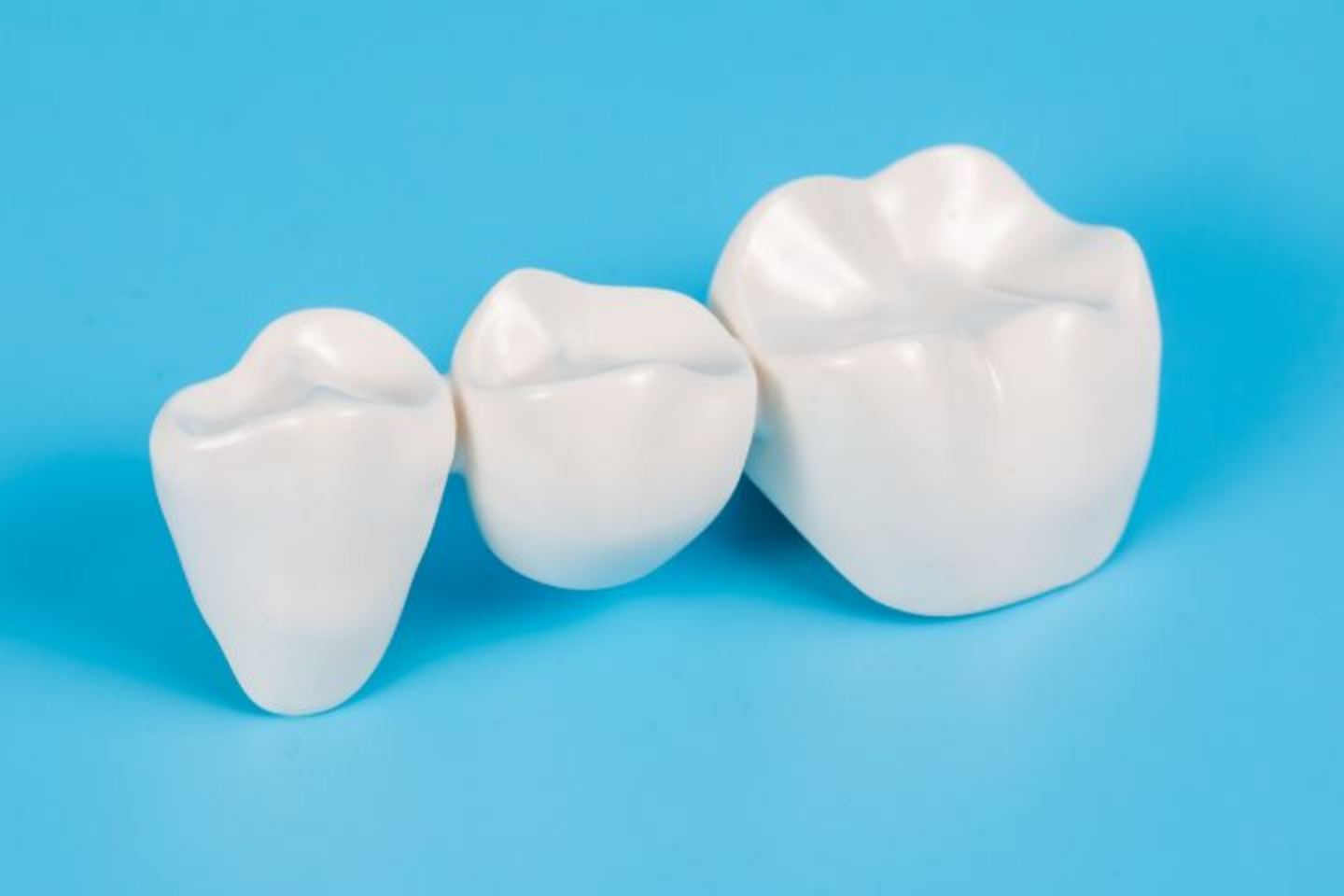
Dental crowns are one of the most reliable ways to restore a damaged or weakened tooth. They are designed to protect the tooth, restore function, and improve appearance. At Great Florida Smiles & Orthodontics, crowns are crafted with precision to ensure long-term durability and a natural look.
A common question patients ask is how long a dental crown will last and what they can do to extend its lifespan.
How Long Do Dental Crowns Typically Last?
On average, dental crowns last between 10 and 15 years. With excellent care, many crowns can last 20 years or even longer.
The lifespan of a crown depends on the material used, your oral habits, and how well you maintain your dental health.
Lifespan by Crown Material
Different materials offer different levels of durability and aesthetics.
Porcelain or ceramic crowns: These are popular for their natural appearance and are often used for front teeth. They typically last 10 to 15 years with proper care.
Porcelain-fused-to-metal crowns: These combine strength and aesthetics. They can last around 10 to 15 years and are often used for both front and back teeth.
Gold crowns: Gold is highly durable and gentle on opposing teeth. These crowns can last 20 years or more.
Zirconia crowns: Zirconia is known for its strength and resistance to wear. These crowns can last 15 to 20 years or longer with good care.
Factors That Affect Crown Longevity
Several everyday factors can impact how long your crown lasts.
- The location of the crown matters. Crowns on back teeth experience more pressure from chewing and may wear faster.
- Oral hygiene plays a key role. Poor brushing and flossing can lead to decay at the base of the crown.
- Diet also affects longevity. Frequent consumption of hard or sticky foods can damage or loosen the crown.
- Teeth grinding or clenching can place excessive pressure on crowns, leading to cracks or wear.
- General dental health and regular checkups help ensure early detection of any issues.
Signs Your Crown May Need Replacement
Even durable crowns do not last forever. Watch for these signs that your crown may need attention.
- Pain or sensitivity around the crowned tooth
- A loose or shifting crown
- Visible cracks or chips
- Gum recession around the crown
- Dark lines or discoloration near the edges
If you notice any of these symptoms, it is important to see your dentist promptly.
How to Make Your Dental Crown Last Longer?
- Good habits can significantly extend the life of your crown.
- Brush twice daily using a fluoride toothpaste to protect the tooth underneath.
- Floss every day, especially around the crown, to prevent plaque buildup at the margins.
- Avoid chewing on hard objects like ice, pens, or hard candy.
- Limit sticky foods that can pull at the crown.
- Wear a nightguard if you grind or clench your teeth.
Visit your dentist regularly for cleanings and exams to monitor your crown and surrounding teeth.
What Happens If a Crown Fails?
If a crown becomes damaged or loose, bacteria can enter underneath and cause decay or infection. Early treatment can often save the tooth and prevent the need for more complex procedures.
Replacing a crown is usually a straightforward process when addressed early.
Long Lasting Results at Great Florida Smiles & Orthodontics
At Great Florida Smiles & Orthodontics, we use high-quality materials and advanced techniques to create crowns that are both durable and natural-looking. Our team focuses on long-term success, ensuring your restoration fits comfortably and functions properly.
If you have an existing crown or think you may need one, we are here to help. Schedule your visit today to keep your smile strong, healthy, and built to last.
Frequently Asked Questions
Q: Can a dental crown last a lifetime?
A: While crowns are very durable, they usually do not last a lifetime. With excellent care, some may last 20 years or more.
Q: Is it painful to replace a crown?
A: The procedure is similar to getting the original crown. Local anesthesia is used to keep you comfortable.
Q: Can a crown get a cavity?
A: The crown itself cannot decay, but the natural tooth underneath can develop decay if not properly cared for.
Q: How do I know if my crown is failing?
A: Signs include discomfort, looseness, visible damage, or changes in how your bite feels.
