
Losing a tooth can affect more than just your appearance. Missing teeth can make it harder to chew, impact speech, cause neighboring teeth to shift, and even affect your confidence. Fortunately, modern dentistry offers several effective solutions for replacing missing teeth, including dental implants, dental bridges, and dentures.
One of the most common questions patients ask is whether dental implants are better than bridges or dentures. The answer depends on several factors, including your oral health, budget, number of missing teeth, and long-term goals.
At Great Florida Smiles & Orthodontics, serving patients in DeFuniak Springs, Panama City Beach, and Santa Rosa Beach, we help patients explore all available tooth replacement options so they can make informed decisions about their smiles.
Why Replacing Missing Teeth Matters
When a tooth is lost, the surrounding structures begin to change over time. Without replacement, you may experience:
- Difficulty chewing certain foods
- Changes in speech
- Shifting of nearby teeth
- Bite problems
- Jawbone loss in the area of the missing tooth
- Changes in facial appearance
Replacing missing teeth helps restore both function and appearance while supporting long-term oral health.
Understanding Dental Implants
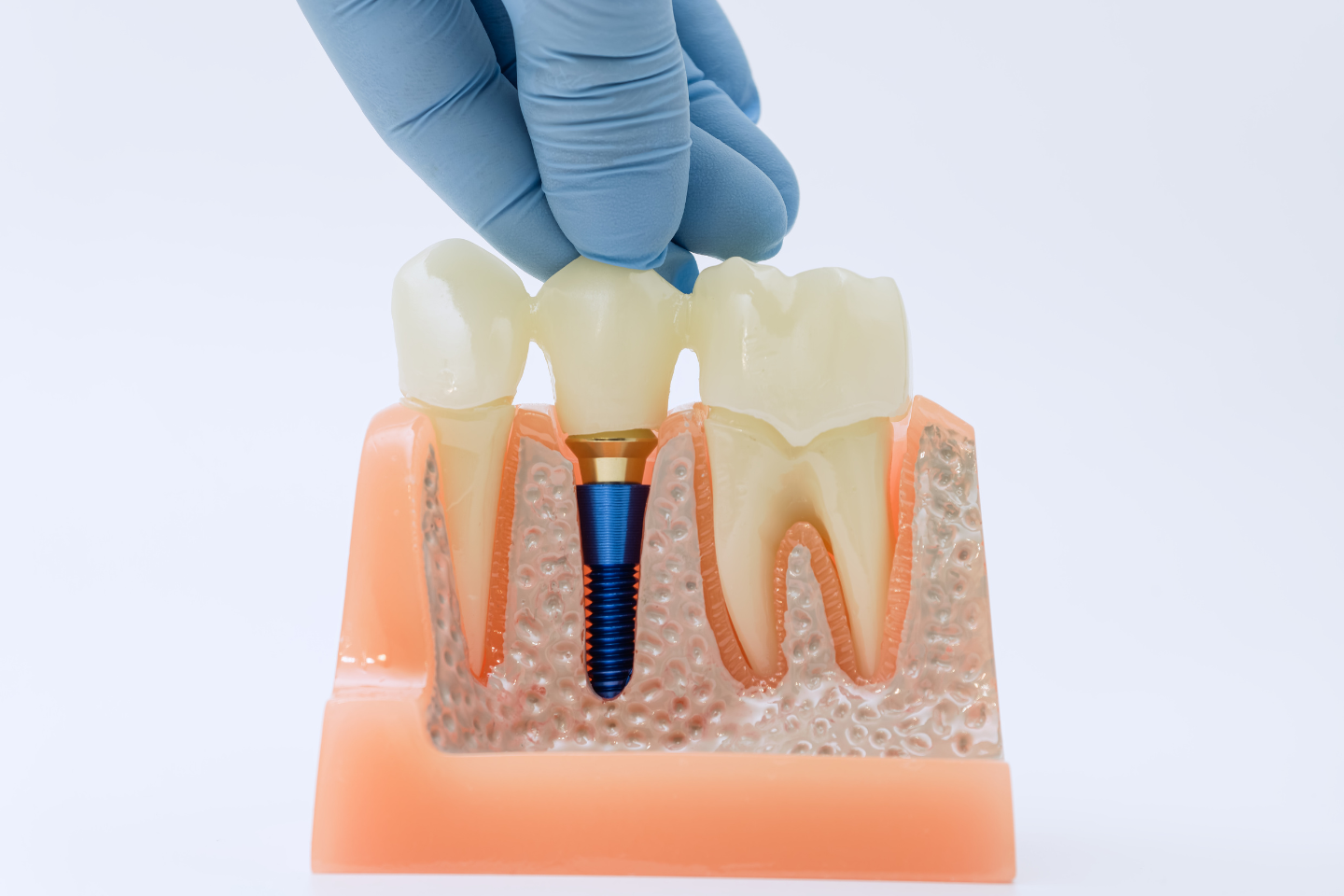
Dental implants are artificial tooth roots made from biocompatible materials, typically titanium. The implant is surgically placed into the jawbone, where it integrates with the bone over time. Once healed, a custom crown, bridge, or denture can be attached to the implant.
A complete dental implant restoration typically consists of:
- The implant post
- The abutment
- The custom dental crown
Because implants replace both the root and visible portion of the tooth, they closely mimic the function of natural teeth.
Understanding Dental Bridges
A dental bridge replaces one or more missing teeth by using neighboring teeth for support. The teeth on either side of the gap are typically prepared to hold dental crowns, which support the artificial replacement tooth in between. Bridges have been used successfully for many years and remain a reliable treatment option for certain patients.
Understanding Dentures
Dentures are removable appliances designed to replace multiple missing teeth or an entire arch of teeth. There are two primary types:
- Partial Dentures: Partial dentures replace several missing teeth while using remaining natural teeth for support.
- Full Dentures: Full dentures replace all teeth in the upper arch, lower arch, or both.
Dentures remain a common option, especially for patients missing many or all of their teeth.
What Makes Dental Implants Different?
The biggest difference between implants and other replacement options is that implants replace the tooth root. Neither traditional bridges nor traditional dentures replace the root structure beneath the gums. This distinction creates several important advantages.
Advantage 1: Jawbone Preservation
After a tooth is lost, the jawbone in that area begins to shrink because it no longer receives stimulation from the tooth root. Dental implants help stimulate the bone during chewing, which may help reduce bone loss. Bridges and traditional dentures do not provide this same stimulation because they sit above the gum line. For many patients, preserving jawbone health is one of the most significant long-term benefits of dental implants.
Advantage 2: Stability and Function
Dental implants are anchored directly into the jawbone, providing exceptional stability. Many patients report that implant-supported teeth feel similar to natural teeth when chewing, speaking, smiling, and eating a variety of foods. Traditional dentures may sometimes shift or move during eating and speaking, especially as bone loss occurs over time.
Advantage 3: Protecting Adjacent Teeth
To place a traditional bridge, the neighboring teeth often need to be reshaped to support crowns. Even healthy teeth may require modification during the process. Dental implants generally do not rely on adjacent teeth for support, allowing surrounding natural teeth to remain untouched.
Advantage 4: Long-Term Durability
With proper care and maintenance, dental implants can last for many years. While crowns attached to implants may eventually need replacement, the implant itself can often remain functional for decades. Bridges and dentures may require replacement or adjustment more frequently due to normal wear and changes in the mouth over time.
When Might a Bridge Be the Better Option?
Although implants offer many advantages, they are not automatically the best choice for every patient. A bridge may be appropriate when:
- Adjacent teeth already need crowns
- The patient prefers a non-surgical option
- Bone volume is insufficient for implant placement
- Faster treatment is desired
- Medical conditions affect implant candidacy
Bridges can provide excellent results when carefully planned and maintained.
When Might Dentures Be the Better Option?
Dentures may be a suitable solution for patients who:
- Are missing multiple teeth
- Need a more affordable treatment option
- Have extensive tooth loss
- Are not candidates for implant surgery
- Prefer a removable solution
Modern dentures are more comfortable and natural-looking than many people realize. Additionally, some patients choose implant-supported dentures, which combine the benefits of both treatments.
What About Implant-Supported Dentures?
For patients missing most or all of their teeth, implant-supported dentures offer an increasingly popular solution. Instead of relying solely on the gums for support, the denture attaches to strategically placed implants.
Potential benefits include:
- Improved stability
- Better chewing ability
- Reduced movement
- Increased comfort
- Enhanced confidence
Many patients find implant-supported dentures provide a significant improvement over traditional removable dentures.
Cost Considerations
Dental implants often involve a higher initial investment compared to bridges or dentures. However, when evaluating treatment options, it is important to consider long-term value rather than only the upfront cost.
Factors that influence overall value include longevity, maintenance needs, future replacement costs, bone preservation benefits, and overall oral health impact. Your dentist can help you compare treatment options based on your individual situation and goals.
Which Option Looks the Most Natural?
Modern dentistry allows all three options to provide attractive results. However, dental implants are often considered the closest replacement to a natural tooth because they emerge from the gums similarly to a natural tooth and provide a highly stable foundation. The final appearance depends on proper treatment planning, high-quality materials, and skilled dental care.
How Do You Know Which Option Is Right for You?
The ideal tooth replacement solution depends on several factors, including:
- Number of missing teeth
- Bone health and gum health
- Overall medical history
- Lifestyle preferences
- Budget and long-term expectations
A comprehensive dental examination and consultation can help determine which treatment best meets your needs.
Restore Your Smile with Great Florida Smiles & Orthodontics
At Great Florida Smiles & Orthodontics, we understand that every smile is unique. Whether you are considering dental implants, bridges, dentures, or implant-supported dentures, our team is committed to helping you choose the treatment that best fits your needs and goals.
With convenient locations in DeFuniak Springs, Panama City Beach, and Santa Rosa Beach, we provide personalized care and comprehensive treatment planning to help patients restore their smiles with confidence.
If you are exploring options for replacing missing teeth, schedule a consultation today. Together, we can create a treatment plan designed to support your oral health, comfort, and quality of life for years to come.
Frequently Asked Questions
Q: Are dental implants stronger than bridges?
A: Dental implants are anchored directly into the jawbone, providing excellent stability and support. However, both implants and bridges can be highly effective when properly maintained.
Q: Do dental implants last longer than dentures?
A: In many cases, dental implants have a longer lifespan than traditional dentures, especially when supported by good oral hygiene and routine dental care.
Q: Can I get implants if I have bone loss?
A: Possibly. Some patients may benefit from bone grafting procedures that help create adequate support for implants.
Q: Are dentures still a good option?
A: Yes. Dentures remain a reliable and effective treatment for many patients, particularly those with extensive tooth loss.
Q: Which tooth replacement option feels most like a natural tooth?
A: Dental implants are often considered the closest replacement to a natural tooth because they replace both the root and visible portion of the tooth.
