
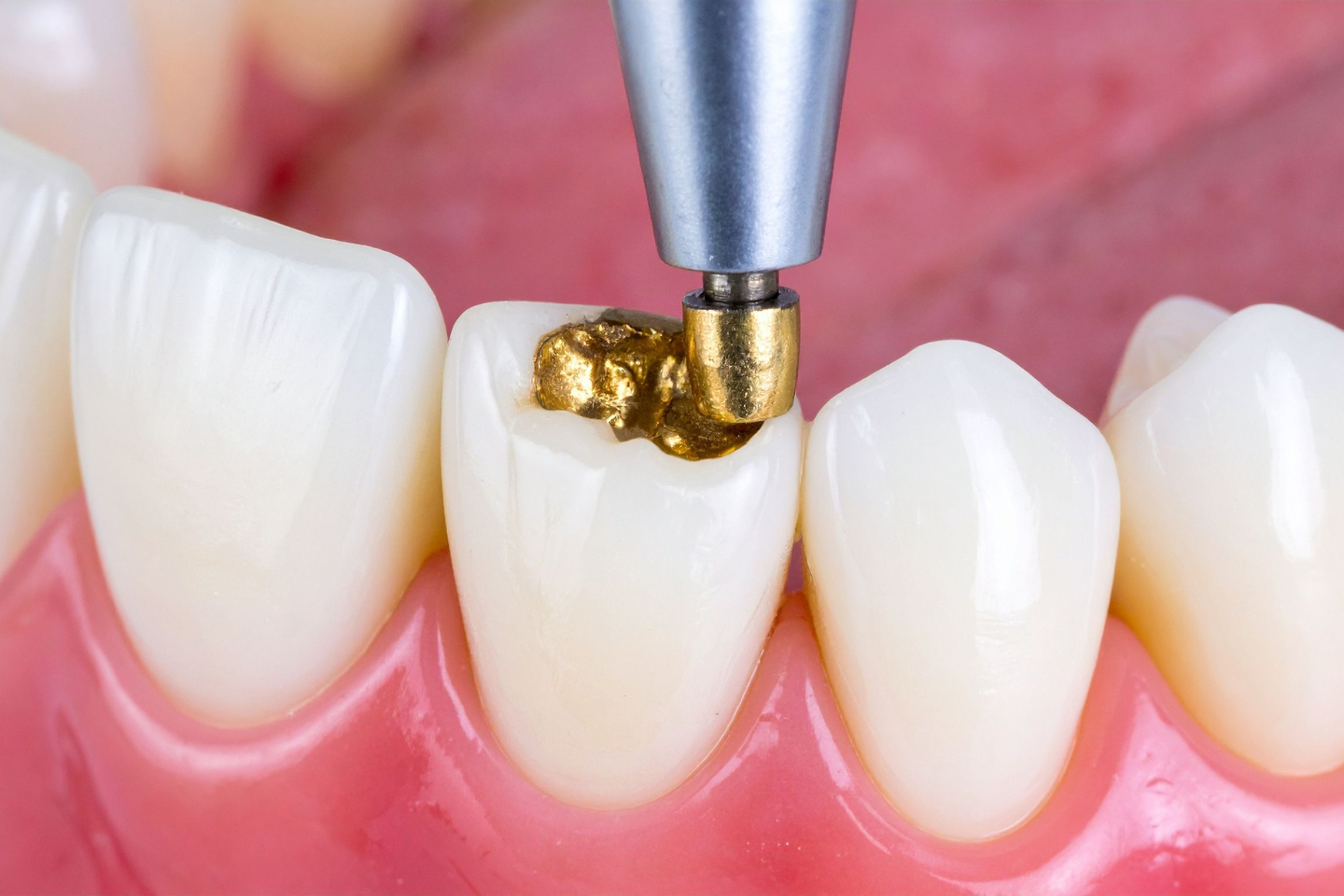
If you have ever had a cavity treated, you likely have at least one dental filling. These restorations are the backbone of conservative dentistry, allowing the team at Great Florida Smiles & Orthodontics to save your natural tooth structure after decay has taken hold.
However, a common misconception is that once a tooth is filled, it is fixed forever. In reality, dental fillings are subject to the same daily wear and tear as your natural teeth. Over time, they can wear down, crack, or pull away from the tooth. Knowing how long your fillings should last and recognizing the signs that they need attention is vital for maintaining your oral health and avoiding more invasive procedures like root canals or crowns.
The Lifespan of Different Filling Materials
The most significant factor in how long a filling lasts is the material used to create it. At Great Florida Smiles & Orthodontics, we provide various options tailored to clinical needs and aesthetic preferences.
Composite Resin Fillings
Commonly referred to as tooth-colored or white fillings, these are made of a mixture of glass or quartz filler in a resin medium. Because they bond chemically to the tooth and mimic the natural appearance of enamel, they are highly popular.
- Average Lifespan: 7 to 10 years.
- Best For: Visible areas of the smile and small to mid-sized cavities.
Silver Amalgam Fillings
Amalgam has been used in dentistry for over a century. It is a durable blend of metals including silver, tin, and copper. While less common today due to aesthetic concerns, its strength is undeniable.
- Average Lifespan: 10 to 15 years.
- Best For: Back molars where chewing forces are highest.
Porcelain (Ceramic) Inlays and Onlays
Ceramic restorations are often custom-made using digital technology. They are highly resistant to staining and wear.
- Average Lifespan: 15 years or more.
- Best For: Large cavities that require more structural support than a standard filling.
Gold Fillings
Though they are a more significant investment and require a visible metallic look, gold is incredibly biocompatible and durable.
- Average Lifespan: 20 to 30 years.
- Best For: Patients who prioritize longevity above all else.
Factors That Influence Filling Longevity
While material provides a baseline, several external factors can either extend or shorten the life of your restoration.
1. Location and Size: A filling on a flat surface of a front tooth faces much less pressure than one on a molar used for grinding tough foods. Furthermore, the larger the filling, the more stress it puts on the remaining natural tooth structure, which can lead to earlier failure.
2. Oral Hygiene Habits: A filling does not make a tooth cavity-proof. In fact, the margin where the filling meets the tooth is a prime spot for bacteria to gather. If plaque is allowed to sit along these edges, recurrent decay can form underneath the filling, forcing its replacement.
3. Dietary Choices: Frequently consuming acidic sodas or sugary snacks can weaken the bond of the filling. Additionally, habits like chewing on ice, hard candy, or using teeth as tools can cause composite or ceramic materials to chip.
4. Teeth Grinding (Bruxism) If you clench or grind your teeth at night, you are applying significant pressure to your restorations. This often leads to premature cracking or flattening of the filling material. A custom nightguard is often recommended to protect both natural teeth and dental work from this mechanical stress.
Signs Your Filling Needs Replacement
Sometimes a filling fails suddenly, like when it falls out while eating. More often, however, the signs are subtle.
- Sudden Sensitivity: If a tooth that was previously fine starts reacting to cold drinks or hot coffee, it may indicate that the seal of the filling has broken, allowing sensations to reach the nerve.
- Pain When Biting: This could be a sign of a cracked filling or a sign that decay has moved deeper into the tooth.
- Rough Edges: If you notice your dental floss shredding or catching on a specific tooth, or if your tongue feels a sharp or rough edge, the filling may be chipping.
- Discoloration: While some composite fillings stain over time, a dark shadow appearing beneath a white filling often signals that bacteria have leaked underneath.
- Visible Gaps: If you see a literal space between the tooth and the restoration, it is an open door for infection.
Why Proactive Replacement Matters?
At Great Florida Smiles & Orthodontics, advanced diagnostic tools are used to monitor fillings during routine checkups.
If a replacement is recommended, it is usually because micro-leakage has been detected. This occurs when the bond between the tooth and filling fails, creating a gap too small for the eye to see but large enough for microscopic bacteria to enter. If left untreated, this bacteria will eat away at the tooth from the inside out. By the time you feel pain, the damage might be too extensive for another filling, requiring a crown or a root canal to save the tooth.
Replacing an aging filling is a simple, proactive way to maintain the structural integrity of your smile and avoid more costly emergency visits down the road.
Caring for Your Restorations
To get the maximum number of years out of your fillings, follow these basic steps:
- Brush twice daily with a fluoride toothpaste to strengthen the surrounding enamel.
- Floss every day, paying special attention to the areas around filled teeth.
- Maintain regular cleanings so the margins of your dental work can be professionally checked.
- Avoid using your teeth as tools to open packages or bite fingernails.
Frequently Asked Questions
Q: Can a dental filling last a lifetime?
A: While some materials, like gold or high-quality ceramic, can last 20 to 30 years with exceptional care, it is rare for a filling to last a lifetime. Most patients will need to have a restoration replaced at least once due to natural wear or changes in the surrounding tooth.
Q: Is it painful to have a filling replaced?
A: The process of replacing a filling is very similar to getting the initial one. Local anesthesia is used to numb the area, ensuring you do not feel discomfort while the old material is removed and the new restoration is placed.
Q: What happens if I don't replace a cracked filling?
A: A crack acts as a highway for bacteria to reach the sensitive inner chambers of your tooth. Ignoring it leads to internal decay, which can eventually cause an abscess or require a root canal.
Q: Can you put a new filling over an old one?
A: No. To ensure a proper seal and remove any underlying decay, the old filling must be completely removed and the tooth cleaned before a new restoration is applied.
Visit Great Florida Smiles & Orthodontics
Whether you are experiencing sensitivity or it has simply been a while since your last dental exam, our team is here to help. We provide comprehensive restorative care in a comfortable, patient-centered environment. Great Florida Smiles & Orthodontics utilizes the latest in dental technology to ensure your fillings are placed with precision and built to last.
If you are concerned about an old silver filling or have noticed a new ache, contact us today to schedule an evaluation. We look forward to helping you keep your smile healthy and functional for a lifetime.
