
If you frequently wake up with jaw soreness, headaches, or sensitive teeth, you may be dealing with teeth grinding or a temporomandibular joint (TMJ) disorder. These conditions can affect daily comfort, make chewing difficult, and even contribute to long-term dental problems if left untreated.
While mouthguards and lifestyle changes remain common treatment options, many patients are now asking about Botox as a potential solution for TMJ pain and teeth grinding. Botox has become increasingly recognized for its ability to relax overactive muscles and may provide relief for some individuals experiencing chronic jaw tension.
At Great Florida Smiles & Orthodontics, serving patients in DeFuniak Springs, Panama City Beach, and Santa Rosa Beach, we believe patients should understand all available treatment options when addressing TMJ-related discomfort and bruxism.
Understanding TMJ Disorders
The temporomandibular joints connect your lower jaw to your skull. These joints allow you to speak, chew, yawn, and move your jaw comfortably. When problems develop within the joint or surrounding muscles, patients may experience what is commonly referred to as TMJ disorder or TMD.
Common symptoms include:
- Jaw pain or tenderness
- Clicking or popping sounds when opening the mouth
- Difficulty chewing
- Limited jaw movement
- Facial pain and morning headaches
- Ear discomfort or neck and shoulder tension
Symptoms can range from mild to severe and may significantly impact your overall quality of life.
What Is Teeth Grinding?
Teeth grinding, also known as bruxism, occurs when a person clenches or grinds their teeth, often without realizing it. Bruxism may occur during sleep, while awake, during periods of stress, or during intense concentration.
Over time, teeth grinding can lead to:
- Worn enamel and tooth sensitivity
- Chipped, cracked, or loose teeth
- Jaw muscle fatigue
- Chronic tension headaches
- TMJ-related discomfort
Because the jaw muscles are repeatedly overworked, many patients seek treatment options that target the source of the muscle tension directly.
What Is Botox?
Botox is a purified protein derived from botulinum toxin type A. When used in controlled medical and dental settings, it temporarily reduces muscle activity by blocking signals between nerves and muscles.
Botox has long been used for cosmetic treatments, but it is also utilized for various medical conditions involving excessive muscle activity. In dentistry, Botox may be considered as part of a therapeutic treatment plan for certain patients experiencing jaw muscle tension associated with TMJ disorders or bruxism.
How Can Botox Help with TMJ Pain?
Many TMJ symptoms are linked to overactive jaw muscles. When these muscles remain constantly tense, they can contribute to jaw soreness, facial pain, muscle fatigue, headaches, and joint discomfort.
Botox works by relaxing targeted muscles, reducing the force of muscle contractions. As the muscles become less active, some patients experience:
- Reduced jaw tension
- Improved comfort when chewing
- Fewer tension headaches
- Less facial soreness
- Improved overall jaw function
The goal is not to prevent all jaw movement but rather to reduce excessive, involuntary muscle activity that may be contributing to discomfort.
How Can Botox Help with Teeth Grinding?
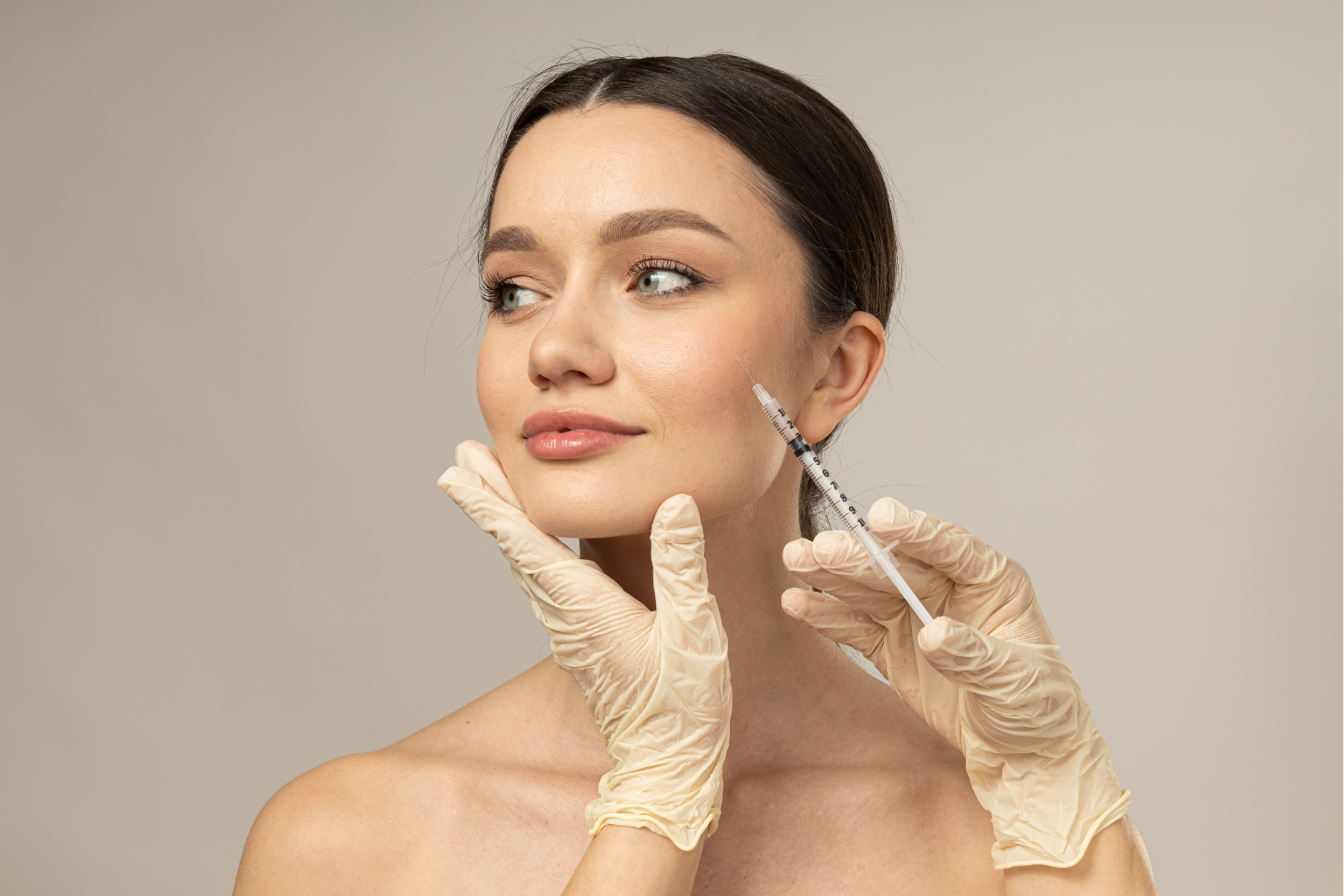
For patients who clench or grind their teeth, Botox is typically injected into the masseter muscles, which are among the primary muscles used for chewing. When the masseter muscles become overly active, they can generate significant force during grinding episodes.
Botox may help by:
- Reducing the intensity of clenching
- Decreasing grinding force
- Minimizing wear and pressure on teeth
- Lowering muscle fatigue
- Helping protect existing restorations and dental crowns
It is important to note that Botox does not eliminate the underlying psychological or physiological causes of bruxism, such as stress or sleep disorders. Instead, it helps safely manage the muscular effects associated with grinding.
What Happens During a Botox Appointment?
Botox treatment is generally quick, straightforward, and minimally invasive. The process typically includes:
- Evaluation: Your dentist evaluates your symptoms, jaw function, and treatment goals to determine whether Botox may be appropriate.
- Targeted Injections: Small amounts of Botox are carefully injected into selected jaw muscles. The procedure usually takes only a few minutes.
- Return to Normal Activities: Most patients can resume normal daily activities immediately after treatment. There is typically little to no downtime required.
How Long Does It Take to Work and Last?
Botox does not provide instant relief. Many patients begin noticing a reduction in muscle tension within several days, while the full therapeutic effects often develop over one to two weeks.
Botox is not a permanent treatment. For many patients, results may last approximately three to four months, although this can vary based on individual muscle activity and dosage. As muscle activity gradually returns, follow-up treatments may be recommended if ongoing symptom management is desired.
Is Botox Safe for TMJ and Bruxism?
When administered by properly trained healthcare professionals, Botox is generally considered safe. As with any medical or dental treatment, potential minor side effects can occur. Possible temporary effects may include mild swelling, tenderness at injection sites, temporary muscle weakness, or minor bruising. Most side effects are mild and resolve on their own.
Is Botox the Only Treatment for TMJ Disorders?
No. Botox is just one of several potential treatment options. Depending on the underlying cause of your symptoms, your dentist may recommend:
- Custom nightguards or splints
- Bite adjustment therapies
- Stress management strategies
- Physical therapy or lifestyle modifications
- Restorative dental care or orthodontic treatment
In many cases, Botox works best as part of a comprehensive, multi-faceted treatment plan rather than a standalone solution.
Signs You Should Schedule an Evaluation
Consider speaking with a professional if you experience:
- Frequent jaw pain or facial soreness
- Morning headaches or unexplained tooth wear
- Jaw fatigue or clicking/popping jaw joints
- Difficulty opening or closing your mouth comfortably
Early intervention can help prevent additional damage to your teeth and the delicate supporting structures of your jaw.
TMJ and Bruxism Treatment at Great Florida Smiles & Orthodontics
At Great Florida Smiles & Orthodontics, we understand how jaw pain, headaches, and teeth grinding can disrupt your daily life. Our team works closely with patients to identify the underlying causes of their symptoms and develop personalized treatment plans that support long-term comfort and oral health.
With convenient locations in DeFuniak Springs, Panama City Beach, and Santa Rosa Beach, we provide comprehensive care for TMJ disorders, bruxism, and related dental concerns.
If you are experiencing jaw discomfort, chronic clenching, or signs of teeth grinding, schedule a consultation with our team today. Together, we can explore your treatment options and help you find lasting relief while protecting your smile for the future.
Frequently Asked Questions
Q: Does Botox cure TMJ disorders?
A: Botox does not cure TMJ disorders. It helps manage symptoms by reducing localized muscle tension and overactivity.
Q: Will Botox stop teeth grinding completely?
A: Botox may significantly reduce the intensity and force of grinding, but it does not necessarily eliminate the habit or behavioral trigger entirely.
Q: Is Botox treatment painful?
A: Most patients report only minimal, temporary discomfort during the brief injection process.
Q: Can Botox be combined with a nightguard?
A: Yes. In many cases, dentists recommend combining Botox with a custom nightguard and other therapies for comprehensive symptom management.
